
Key Takeaways
- Ghana is embracing electric vehicles (EVs) to reduce greenhouse gas emissions and dependence on fossil fuels.
- EV charging stations are becoming more available, with some powered by renewable energy like solar.
- Electricity for charging EVs is generally cheaper than gasoline, leading to long-term economic benefits.
- Government incentives and partnerships are crucial for the expansion of EV infrastructure.
- Adopting EVs and supporting charging infrastructure can significantly contribute to a sustainable future.
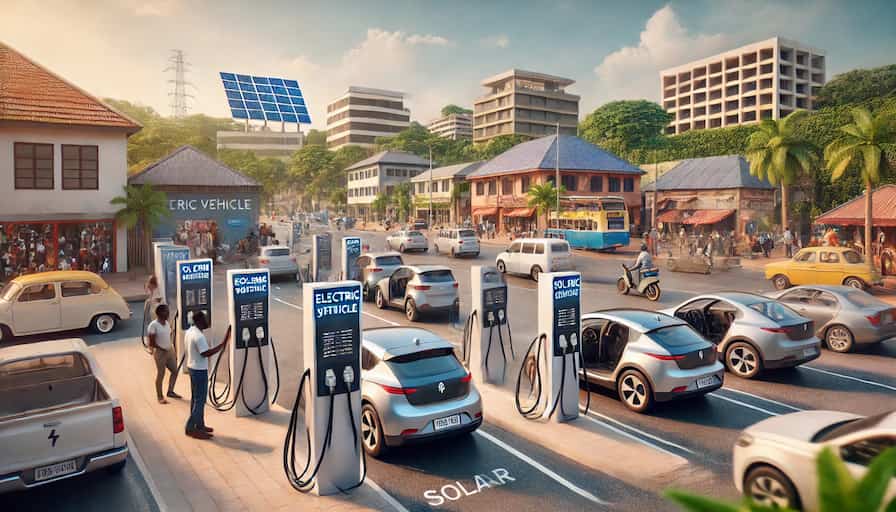
Overview of Ghana’s EV Charging Stations
Imagine a future where the air is cleaner, cities are quieter, and the skies are clearer. That’s the promise of electric vehicles, and it’s a future Ghana is actively working towards. In the bustling streets of Accra and beyond, a quiet revolution is taking place: the rise of electric vehicle charging stations. These aren’t just any charging stations; they’re beacons of progress in Ghana’s journey towards sustainability.
Most importantly, these stations are more than mere structures. They symbolize a commitment to a greener future, a testament to Ghana’s dedication to cutting down on pollution and fostering renewable energy practices. So let’s dive in and explore the burgeoning world of EV charging in Ghana – a critical step towards an eco-friendly transportation system that benefits everyone.
The Green Light for Sustainable Transportation
Why are electric vehicles so important for the environment? Well, it’s simple. Traditional cars burn gasoline, releasing carbon dioxide into our atmosphere. This isn’t just bad for the climate; it affects the air we breathe. Electric vehicles, on the other hand, run on electricity. They don’t produce tailpipe emissions, which means cleaner air for us and future generations.
Therefore, the presence of EV charging stations is crucial. They’re the lifeline of electric vehicles, providing the juice needed to keep them running. Without a robust network of charging points, the shift to electric transportation stalls. That’s why Ghana’s investment in charging infrastructure is a game-changer for the environment and the economy.
Getting Plugged In: How It Works
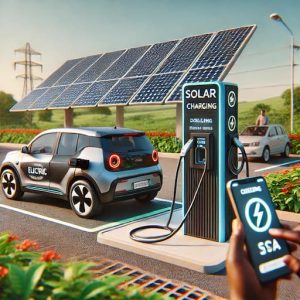 Let’s get practical. How does one use an EV charging station? It’s simpler than you might think. First, you drive up to an available station. Then, you plug your vehicle into the charging point. Finally, you can relax, grab a bite, or catch up on emails while your car charges up. It’s just like filling up a traditional car with fuel, but without the fumes and fuss.
And here’s the cool part: some of these stations in Ghana are solar-powered. Imagine harnessing the power of the sun to charge your car! It’s clean energy at its finest, reducing the reliance on non-renewable power sources and giving you a truly sustainable ride.
Types of EV Charging Stations Available in Ghana
Not all EV charging stations are created equal. In Ghana, you’ll find a mix of Level 1, Level 2, and DC fast chargers. Level 1 chargers are the slowest, perfect for overnight charging at home. Level 2 chargers are faster, making them ideal for public and workplace locations. DC fast chargers are the quickest, filling up your battery in a fraction of the time – a great option for those on the go.
Because the landscape of electric vehicles is still growing in Ghana, the focus has been on installing more Level 2 and DC fast chargers. These are the types that will give drivers the confidence that they can charge quickly and conveniently, whether they’re commuting to work or traveling longer distances.
Step-by-Step: Using an EV Charging Station
If you’re new to electric vehicles, the idea of charging might seem daunting. But fear not, it’s quite straightforward. Here’s a quick rundown:
- Find a charging station – use an app or look for signage in public places.
- Park your EV and ensure the charging station is compatible with your vehicle.
- Connect the charger to your EV’s charging port.
- Activate the charging session via an app, a card provided by the charging network, or follow the station’s instructions.
- Once your EV is charged, disconnect the charger, and you’re ready to roll!
Charging your EV is as simple as that. And with more and more stations popping up, it’s getting easier every day to keep your electric vehicle powered up and ready to go.
Stay tuned for the next part of this series, where we’ll delve into the environmental benefits of EVs, the economic incentives, and the exciting future developments in Ghana’s electric vehicle infrastructure. Together, we’re not just charging vehicles; we’re powering up a movement towards a sustainable future.
Relying on Renewables: Solar-Powered Stations
As Ghana embraces electric vehicles, a critical component of this transition is the use of renewable energy to power charging stations. Solar-powered charging stations are a perfect match for a country blessed with abundant sunshine. These stations capture the sun’s energy and convert it into electricity, which is then used to charge electric vehicles, making the entire process emission-free.
By relying on solar power, we’re not just reducing our carbon footprint; we’re also lessening our dependence on imported fuels. This shift towards renewable energy sources is not only good for the environment but also bolsters national energy security and creates local jobs in the green energy sector.
Paving the Way: Economic Incentives and Support
The road to widespread EV adoption is paved with various economic incentives and support mechanisms. To encourage individuals and businesses to make the switch to electric vehicles, financial incentives such as tax breaks, subsidies for purchasing EVs, and reduced tariffs on imported electric vehicle technology can be incredibly effective.
Besides that, support doesn’t just come in the form of monetary incentives. It also includes investments in infrastructure, such as expanding the network of charging stations, and enacting policies that make it more convenient to own and operate an EV in Ghana.
Cost Comparison: EVs vs Traditional Vehicles
When it comes to cost, electric vehicles have a distinct advantage over traditional gasoline-powered vehicles. While the initial purchase price of an EV can be higher, the overall cost of ownership is often lower due to savings on fuel and maintenance. Let’s break it down:
For instance, charging an electric car can cost significantly less than fuelling a gasoline car, especially when charging at home. Additionally, electric vehicles have fewer moving parts, which means less wear and tear and, consequently, lower maintenance costs.
Over the lifespan of the vehicle, these savings can add up, making electric vehicles a smart economic choice for consumers. This is especially true as the cost of batteries continues to drop and the efficiency of EVs improves.
Government and Business: Driving the EV Transition
The transition to electric mobility isn’t a solo journey; it requires a concerted effort from both the government and the private sector. The government can lead the way by updating policies, offering incentives, and setting ambitious targets for EV adoption. Meanwhile, businesses can contribute by integrating EVs into their fleets, installing charging stations at their premises, and investing in clean energy technologies.
Together, these efforts create a supportive ecosystem that encourages more people to choose electric vehicles. This collaboration is essential for building the momentum needed to achieve a significant shift towards sustainable transportation in Ghana.
What’s Next for Ghana: Future Developments
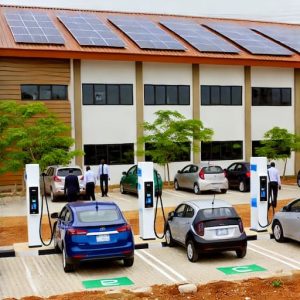 The future looks bright for electric vehicles in Ghana. With a growing awareness of the benefits of EVs and an increasing commitment to sustainability, we can expect to see more initiatives aimed at promoting electric mobility. This includes expanding the network of charging stations to cover more areas, making it even more convenient for EV owners.
Expansion Plans for Charging Networks
Expanding the charging network is crucial for the widespread adoption of electric vehicles. Plans are already underway to increase the number of public charging stations, making long-distance travel in an EV more feasible. This expansion not only caters to current EV owners but also serves as an encouragement for potential buyers who may have concerns about the availability of charging options.
A recent announcement highlighted the government’s partnership with private companies to roll out additional charging stations across the country’s major highways. This will ensure that EV drivers can travel with confidence, knowing that they have access to reliable charging infrastructure.
This infrastructure development is also likely to stimulate the local economy by creating jobs and fostering new business opportunities related to the installation and maintenance of charging stations.
Innovations in EV Technology and Infrastructure
As the EV market evolves, so too does the technology. Innovations in battery storage, charging speed, and energy efficiency are continuously improving the performance of electric vehicles. In Ghana, embracing these technological advancements will be key to staying ahead in the electric mobility race.
Moreover, there’s a growing interest in developing smart charging systems that can communicate with the power grid, allowing for more efficient energy use. These systems can help balance the load on the grid during peak times and ensure that renewable energy sources are used optimally.
Powering Up: How You Can Contribute
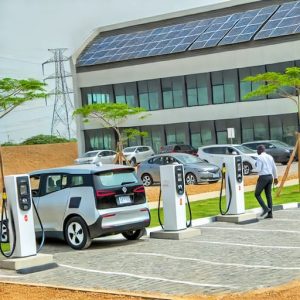 Every one of us has a role to play in the shift towards a more sustainable future. You can contribute by considering an electric vehicle for your next car purchase. When you choose electric, you’re not just buying a car; you’re making a statement about the kind of world you want to live in.
Besides that, you can advocate for more EV-friendly policies in your community, support businesses that are making strides in sustainability, and educate others about the benefits of electric mobility. Every action, no matter how small, helps drive the transition forward.
Choosing Electric: Decision Factors for Potential EV Owners
If you’re on the fence about going electric, here are some factors to consider:
- Charging availability: Look into the availability of charging stations in your area or at your workplace.
- Total cost of ownership: Calculate the long-term savings on fuel and maintenance compared to a gasoline vehicle.
- Environmental impact: Consider the benefits of reduced emissions and a smaller carbon footprint.
- Incentives: Research any government or local incentives that could make purchasing an EV more affordable.
- Vehicle options: Explore the variety of electric vehicle models available to find one that suits your needs and lifestyle.
Choosing an electric vehicle is a powerful step towards a cleaner, greener future. And with Ghana’s commitment to expanding its EV charging infrastructure, there’s never been a better time to make the switch.
Stay tuned for the final part of this series, where we’ll tackle frequently asked questions about electric vehicles and charging stations in Ghana. We’ll provide you with all the information you need to join the electric revolution. Together, let’s charge into a sustainable future!
Advocacy and Education: Spreading the Word
Advocacy and education are the twin engines driving the electric vehicle (EV) revolution. By talking about EVs, sharing success stories, and highlighting the benefits, we can inspire others to join the movement. It’s all about creating a culture that values sustainability and smart technology. And remember, every conversation you have could spark someone’s interest in making the switch to electric.
Frequently Asked Questions (FAQ)
When it comes to EVs, questions abound. Let’s address some of the most common queries to help clear the air and charge up your knowledge.
Where can I find EV charging stations in Ghana?
Finding an EV charging station in Ghana is becoming easier as the network expands. You can locate them at some malls, hotels, and workplaces. There are also dedicated apps and online maps that pinpoint the exact locations of public charging stations, so you can plan your route and charging stops with ease.
How long does it take to charge an electric vehicle?
The charging time for an electric vehicle depends on several factors, including the type of charger and the EV’s battery capacity. Level 1 chargers can take several hours, often overnight, for a full charge. Level 2 chargers are quicker, typically delivering a full charge in a few hours. DC fast chargers are the speediest, often adding 80% of charge in as little as 30 minutes.
What are the costs of using EV charging stations?
The cost to charge your EV at a public station in Ghana varies, but it’s generally much cheaper than refuelling a petrol or diesel car. Some stations offer pay-as-you-go rates, while others have membership options or provide free charging as an incentive. Always check the pricing structure beforehand, and consider home charging to maximize savings.
Are there any electric vehicles made in Ghana?
Yes, Ghana has entered the EV market with local companies starting to manufacture electric vehicles. This is a huge step forward in reducing import costs and fostering local industry. By supporting homegrown businesses, we’re not just investing in cleaner transportation but also in Ghana’s economy and its people.
How does the government support EV owners and infrastructure?
The Ghanaian government is showing its support for electric vehicles through various initiatives. This includes tax waivers on imported EVs, plans to reduce the cost of renewable energy, and investments in charging infrastructure. Such policies make it more attractive for consumers to buy electric vehicles and for businesses to invest in the necessary charging technology.